Current language: English
Models of Collaboration
Support for growth strategies, transformations or M&A processes.
Our IT and subject-matter experts have in-depth specialist knowledge in their field.
We provide you with experienced interim managers who take on responsibility.
Customized expert teams for complex projects
We find the best experts for these companies
Private equity
Efficient support throughout the deal cycle
Corporates
Technical and management experts for operational excellence
Scale-ups
Strategic & operational support for growth

Freelance Organizational Developer: Strengthening Structures, Effectively Shaping Change.

Our freelance organizational development consultants analyze existing organizational structures and processes, identify structural bottlenecks, and develop viable roadmaps for your organization. Typical deliverables include organizational assessments, role models, governance concepts, change roadmaps, and facilitated workshops with executives and teams. Companies benefit from an external perspective that is often lacking internally—free from political blind spots and with a clear focus on effectiveness.


Typical triggers for engaging our services include upcoming mergers or carve-outs, a noticeable loss of control within growing structures, or the desire to embed a new corporate strategy within the organization. Even when internal HR or organizational development resources are insufficient for a transformation project, the targeted engagement of an experienced freelancer is the more efficient solution—temporary, results-oriented, and without long-term fixed-cost commitments.

Contact an organizational development consultant now
A Freelance Organizational Developer at work on a project team

When It's Worth Hiring an External Organizational Development Consultant—and When It Isn't

Whether it’s restructuring, post-merger integration, or strategic cultural change—our profiles step in precisely when your organization reaches its limits.
1. Make the Pressure for Change Visible
  • Unclear priorities, conflicting initiatives, and “change fatigue” are holding the organization back.
  • Diagnosis and hypothesis overview, including a stakeholder map, areas of tension, and areas of action for organizational developers.
2. Refining the Target State & Operating Model
  • Strategy, structure, and culture are not aligned; responsibilities remain unclear.
  • Target state, role/governance setup, and operating model blueprint (RACI, committees, decision-making processes).
3. Align Leadership & Collaboration
  • Leadership teams are out of sync; conflicts are put off, and decisions stall.
  • A series of leadership alignment workshops covering decision-making principles, a team charter, and communication protocols.
4. Simplify Processes, Increase Impact
  • Too many handoffs, too little end-to-end accountability; lead times are increasing.
  • Process and value stream redesign, including interface clarification, a set of KPIs, and an improvement backlog.
5. Change Architecture & Enablement
  • Transformation begins, but adoption lags; communication seems haphazard.
  • Change plan with a change story, action roadmap, enablement concept, and network of champions.
6. Sustainably Embed & Scale
  • Successes remain isolated; after the project ends, the organization reverts to old patterns.
  • Embedding mechanisms: routines, OKR/KPI cascade, learning loops, and governance for continuous improvement.

Selecting an Organizational Development Specialist: Qualifications, Credentials, and References

When selecting profiles, we look for a combination of verifiable project experience and methodological depth. A key selection criterion is proof of completed organizational change projects in a comparable industry or company of similar size—ideally with documented results such as reduced management layers, faster decision-making, or successful cultural assessments (e.g., via engagement scores). Certifications in systemic organizational consulting, change management (e.g., Prosci, CCMP), or organizational design methods such as Sociocracy or Holacracy are relevant indicators of qualification.

When it comes to soft skills, we assess whether a profile is capable of building trust at the executive level without losing touch with reality. Organizational development rarely fails because of the method used—more often, it fails due to a lack of stakeholder acceptance. Our profiles must demonstrate the ability to mediate differing interests, leverage conflicts constructively, and guide executives through periods of uncertainty. Verifiable indicators of this include references from projects involving high political pressure or strong resistance from middle management.

Warning signs during the selection process: Profiles that rely exclusively on frameworks without adapting to the situation, who are unable to develop their own approach to resistance, or who seek to separate organizational diagnosis and concept development from implementation support are generally unsuitable for complex transformations. Equally critical is a lack of experience in liaising with HR business partners and the works council, which is crucial in many organizational transformation projects.
Selecting a Freelance Organizational Developer – Criteria and Quality Characteristics
Freelance Organizational Developers at Work – Added Value and Impact for Your Company

Approach and Impact: Temporary Organizational Developers in the Project

Our experts take responsibility for the entire organizational design process: from analyzing the current state of existing structures to developing target organizational models and supporting the implementation. They work directly with management, HR leadership, and division heads—and deliver not abstract concepts, but actionable deliverables such as organizational charts, RACI matrices, job profiles, decision-making frameworks, and communication plans for the transformation.

Especially in complex transformation projects—such as the introduction of agile structures, the realignment of leadership levels, or the integration of acquired units—our profiles lay the structural foundation for sustainable change. They facilitate diagnostic workshops, conduct stakeholder interviews, analyze pulse surveys, and translate strategic guidelines into concrete organizational design decisions. In doing so, they always keep the interplay between structure, process, culture, and leadership in mind.

What sets our profiles apart: They not only bring methodological expertise in organizational design and change management but also the ability to identify resistance early on and engage leaders as active architects of change. If you describe your needs to us, we’ll present you with suitable profiles within 24–36 hours.

Typical Responsibilities: What an Organizational Developer Is Responsible For in a Project

Our experts structure change in such a way that leadership, processes, and culture all contribute to a shared target state.

  • Organizational diagnosis through interviews, data analysis, and clear hypotheses regarding bottlenecks and tensions.
  • Operating Model Design: Roles, governance, decision-making pathways, and interfaces clearly defined.
  • Leadership alignment and conflict resolution to ensure decisions are made quickly and with commitment.
  • Change architecture with adoption metrics, communication strategies, and enablement measures for sustainable implementation.
Typical Projects and Results with a Freelance Organizational Developer

Fit Over Resume: What We Look for in an Organizational Developer

We select only those candidates who view organizational development not as a theoretical exercise, but as a responsibility to drive change.
Choosing a Freelance Organizational Developer – Key Criteria at a Glance
Proven Transformation in Complex Organizations

These profiles provide you with expertise in reorganization, operating model design, and cultural transformation. Our experts combine diagnosis, facilitation, and implementation into a consistent approach. This leads to clear decisions rather than parallel initiatives.

Interfaces Between Strategy, HR, and Business

Our profiles translate strategic goals into roles, governance, processes, and skills. In doing so, they mediate stakeholder conflicts, clarify responsibilities, and stabilize leadership teams. This reduces friction between the line organization, projects, and people-related issues.

Measurable Adoption Instead of “Change Theater”

With these profiles, you drive change through concrete outcomes: decision quality, time-to-decision, turnaround times, and team effectiveness. Our experts establish feedback and learning loops to ensure that new ways of working are actually put into practice. This makes transformation transparent and manageable.

Where This Role Fits In

Assignments for Freelance Organizational Developer usually come up in projects around HR Consulting. That page explains what the field covers, when external support makes sense and which roles belong to it. Adjacent field: Change Management Consulting.

All roles in HR & Recruiting

Request an organizational developer: find suitable profiles in 36 hours

After the matching process, you'll receive a structured profile overview that includes project history and availability—so you can make a quick and confident decision.
Understanding the Requirements for Freelance Organizational Developer Assignments

Step 1: Understand

We identify the specific reason for your change—whether it’s restructuring, growth, or a cultural realignment—and clarify the scope, depth of the project, and the relevant stakeholder levels. In doing so, we also assess which internal capacities are available and where the organizational development consultant must seamlessly integrate their efforts.

Curated profiles of Freelance Organizational Developers, available within 24–36 hours

Step 2: Connect

Based on your requirements, we match your profile with our vetted candidates—taking into account industry experience, methodological focus, and cultural fit. You’ll receive suitable candidates within 24–36 hours so your project can get started without delay.

Ensure Success with the Right Freelance Organizational Developer Profile

Step 3: Success

What matters to us is not whether a profile can identify methods—but whether it actually brings about change in your organization. Our experts are judged by whether structures become more stable, decision-making processes become shorter, and leaders become more capable of taking action.

Organizational Development Professionals: Sample Profiles from the consultingheads Network

With these profiles, you can narrow your selection to focus on the target state, the change mandate, and proven implementation experience rather than generic methods. The following profiles are examples that illustrate typical experience profiles from our network. The specific selection of suitable consultants is tailored to your individual request.
Candidate Profile: Freelance Organizational Developer – Available on Short Notice
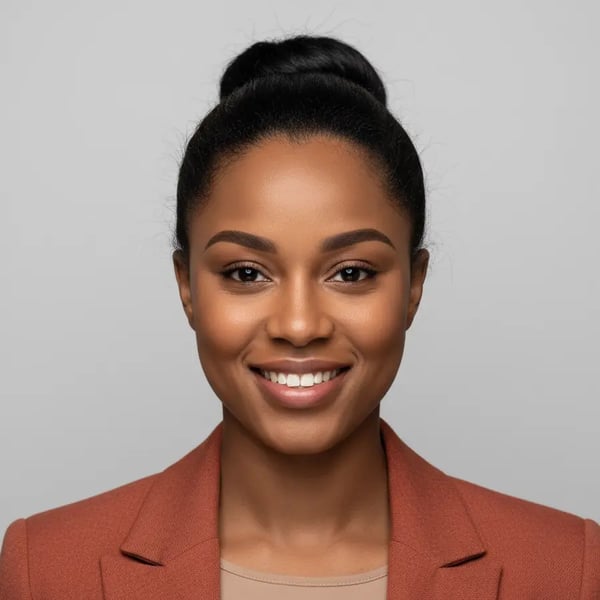
Michelle

Organizational developer specializing in operating models, governance, and leadership alignment. Areas of expertise: reorganization, role and decision-making design, facilitating top-level teams, change storytelling, and stakeholder management.

Candidate Profile: Freelance Organizational Developer – Available Now
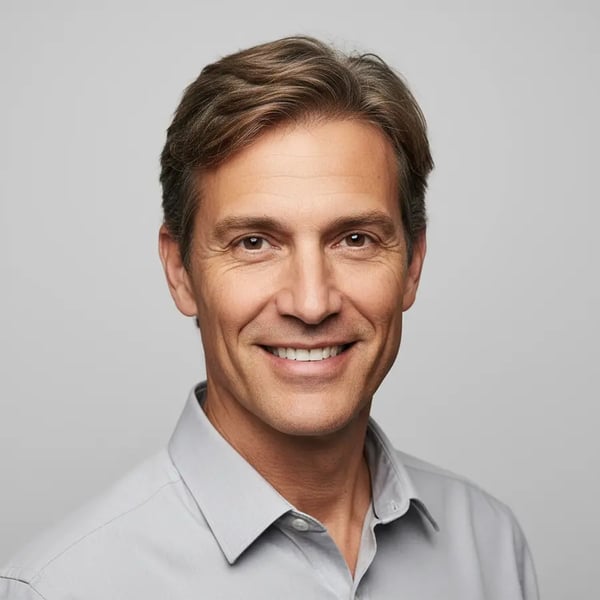
Quentin

Organizational developer specializing in process and value stream redesign in cross-functional settings. Areas of expertise: end-to-end accountability, clarifying interfaces, KPI systems, continuous improvement, and transformation in matrix organizations.

Candidate Profile: Freelance Organizational Developer – With Industry Experience
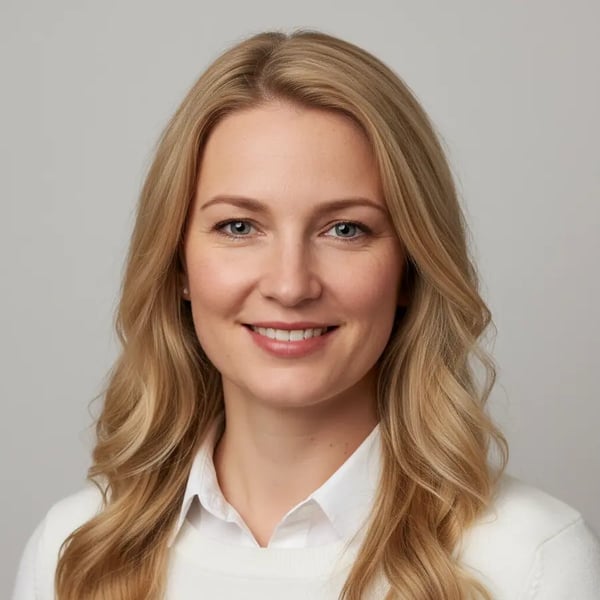
Katharina

Organizational developer specializing in culture, collaboration, and change enablement. Areas of expertise: change communication, influencer networks, workshop design, conflict mediation, adoption and learning loops.

Candidate Profile: Freelance Organizational Developer – Available for Interim Assignments
Ben

Organizational developer specializing in scaling work practices and transformation governance. Areas of expertise: OKR/KPI cascades, portfolio and prioritization logic, Transformation Office, decision-making principles, and knowledge transfer to line management.

Frequently Asked Questions

How quickly will we receive profiles of Freelance Organizational Developers?

You’ll receive your first suitable suggestions within 24–36 hours. Our experts are matched not only based on availability, but primarily on the context of the change initiative, the stakeholder structure, and the required level of seniority. You’ll then receive concise profiles highlighting their areas of focus, relevant case references, and start dates.

How does the matching process work with consultingheads?

We align your goals (e.g., reorganization, operating model, cultural initiatives) with specific deliverables and the necessary change mandate. We then propose profiles of professionals who have a proven track record of implementing solutions in similar contexts. In the next step, we coordinate brief introductory meetings and provide support regarding scope, start date, and collaboration.

How do you ensure the right professional fit in organizational development?

Our experts are evaluated based on typical OD artifacts: diagnosis, target state, governance, process/interface design, and enablement. In addition, we consider industry logic, the operating model (line/matrix/product organization), and experience in facilitation, conflict resolution, and leadership development. This helps you avoid profiles that merely provide concepts but fail to drive adoption.

How do we measure success in the first few weeks?

At the outset, our profiles define a few measurable early indicators such as time-to-decision, clarity on roles and responsibilities, turnaround times, or the meeting and committee workload. At the same time, we track qualitative indicators such as alignment among leadership, the conflict landscape, and the adoption of new routines. After 2–4 weeks, we typically have a robust interim report with a prioritized implementation backlog and the next steps to be decided.

How do onboarding and knowledge transfer work?

Our experts begin with a structured kick-off: stakeholder interviews, an artifact review, and a shared target state for collaboration. Knowledge is systematically transferred into playbooks, decision-making frameworks, templates, and routines so that line management can continue working independently. In addition, key roles (e.g., HRBP, Transformation Lead, division management) are actively empowered rather than merely informed.

How much does an organizational developer cost?

The daily rate for an organizational development consultant ranges from €900 to €1,250. The specific rate typically depends on seniority, the scope of the engagement (from diagnosis to implementation), travel requirements, and the complexity of the stakeholder structure. We’ll suggest suitable options within this range and make the service packages transparent and easy to compare.

Can organizational developers also collaborate with internal transformation teams?

Yes, our profiles often operate precisely at the intersection of the internal transformation office, HR/People, and functional areas. They complement internal teams by facilitating discussions, providing structure, and offering neutral conflict resolution—without taking ownership away from the organization. At the same time, they ensure clear governance so that initiatives do not run in parallel but instead contribute to a shared target state.