





Consulting for Online Retail and Digital Sales Channels
E-Commerce Consulting: Growing Without Losing the Margin
E-commerce consulting works on the question of how a company sells through digital channels: which assortment is actually viable online, through which channels it is offered — own online shop, marketplace, retail partner, direct-to-consumer — how price, shipping and returns together produce a contribution margin, and which systems hold orders, inventory and customer data together reliably. It becomes relevant the moment the online channel outgrows the status of a side business: when revenue rises and the result does not follow, when a second channel is added and the existing processes no longer fit, when advertising costs grow faster than the average order value, or when a shop system reaches its limit. What helps then is not another campaign but a sequence: name the bottleneck before investing — and calculate the cost per order, not only the total revenue.

Leading companies trust our network















What E-Commerce Consulting Delivers — and What It Does Not

E-commerce consulting works on a retail business that runs through systems. It holds four things together that are usually managed separately in day-to-day work: the assortment with its prices and its cost structure; the channels through which it is offered; the buying journey from first contact to a paid order; and the operations behind it — availability, shipping, returns, payment and customer data. Each of the four can be improved on its own; together they answer the question that actually decides the business: what is left at the end of an order?
The bottleneck moves. An online business has exactly one binding constraint at any given time, and every step of growth moves it. In the beginning, qualified demand is missing. Once demand is there, the assortment does not carry it — too narrow, too interchangeable, priced wrongly. Once the assortment carries it, the individual order eats its own contribution, because shipping, returns, payment fees and acquisition cost together take more than the margin brings in. Once the calculation works, operations break at the next volume level. And once operations hold, data and systems no longer hold the whole thing together. Anyone who keeps optimizing against yesterday's bottleneck pays twice: once for the measure, and once for the time in which the actual constraint stayed untouched.
Three questions make that assessable: Is there enough qualified demand, and at what cost? Is anything left per order after returns, shipping, payment and acquisition — and for which items is there not? Does the operation carry the next volume level without delivery times, service load and error rates running away? These three — demand, contribution per order and resilience — sort almost every task that comes up in e-commerce.
And an additional channel is an additional business. A marketplace, an own online shop next to the retail business, direct-to-consumer sales: every channel brings its own cost structure, its own pricing logic, its own data rights and its own operating effort. It is therefore calculated on its own, not booked in as one more sales route inside the same contribution margin.
What e-commerce consulting does not do. It does not replace a media agency and does not book campaigns, it does not build a shop and does not run operations, and above all it does not replace the assortment and pricing decisions that have to be made inside the company. And it cannot rescue a business model whose products structurally carry no contribution online — in that case the honest answer is that those items do not belong online.
Where the Bottleneck Surfaces First, by Market Segment
An online business cannot be improved segment-neutrally, because the assortment sets the rules. In fashion and lifestyle the return decides the result, and it hangs on product data and fit, not on advertising. For brand manufacturers going direct, the conflict with their own retail channel is the actual task, not the technology. In store retail the bottleneck is inventory across channels: what is sold online has to be findable and reservable in the store. In B2B wholesale the lever sits in customer-specific prices, regular-order lists and reordering, not in customer acquisition.
In health, pharmacy and drugstore, approval, mandatory advice and advertising restrictions set the frame in which optimization is permitted at all. And in travel and leisure the product is a calendar: availability, price tiers and cancellation terms are assortment decisions. We therefore staff along segment experience — someone who has understood returns mechanics in fashion retail is not automatically the right choice for customer price lists in wholesale. In the segments below we have profiles that come out of the sector itself and do not just know the toolset.


Fashion & Lifestyle
Here, returns determine the outcome: A significant portion of shipments are returned in whole or in part, and every return incurs costs for shipping, inspection, rework, and often a loss in value. Efforts are therefore focused on addressing the root causes—size and fit information, product images and descriptions, assortment selection per channel, and handling of mixed-size orders—as well as on a report that consolidates sales and return costs by product group. Added to this are seasonal planning, clearance management, and the question of which parts of the assortment actually drive the online channel.


Consumer Goods & Brand Manufacturers
Direct sales to end customers generate margins and provide access to customers, but they impact existing retail partners. The actual task is therefore rarely technical: pricing for retail partners and marketplaces, separating product assortments between retail and the direct channel, handling negotiations on terms and conditions, and building an in-house customer database. Added to this is the operational side of a business that has never served end customers directly: small shipment sizes, service requests, returns, and a payment process with a structure very different from that of the retail business.

Store Retail & Omnichannel
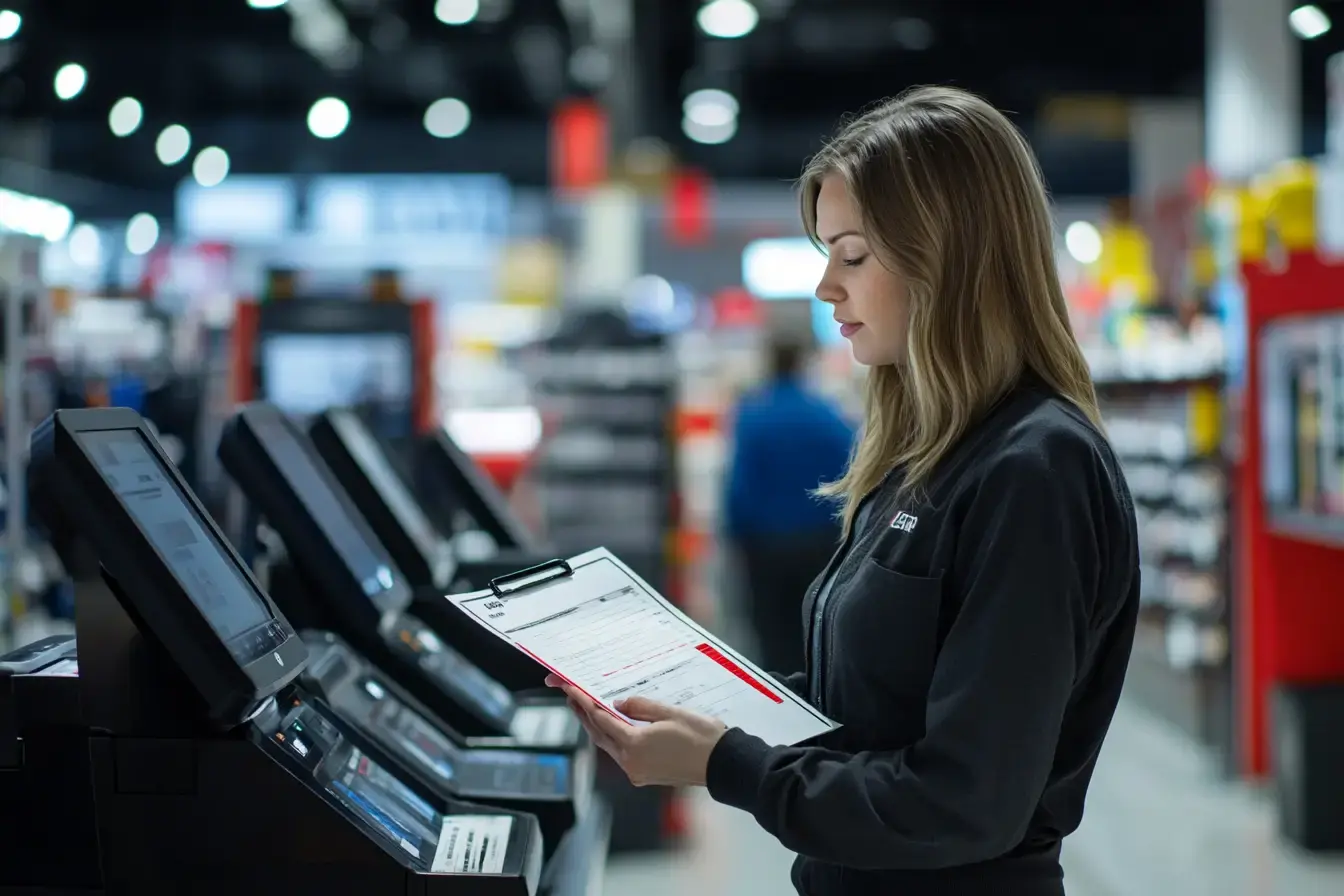
The bottleneck is cross-channel inventory. Items offered online must be locatable, reservable, and available for purchase in-store—otherwise, customers will cancel their orders, which is more costly than a lost order. Key issues include inventory accuracy and reservation logic, in-store pickup and returns, shipping from the store, the allocation of sales and profit between channels and store areas, as well as pricing and promotional strategies that work simultaneously in both the physical store and the online shop.
B2B Wholesale & Manufacturers
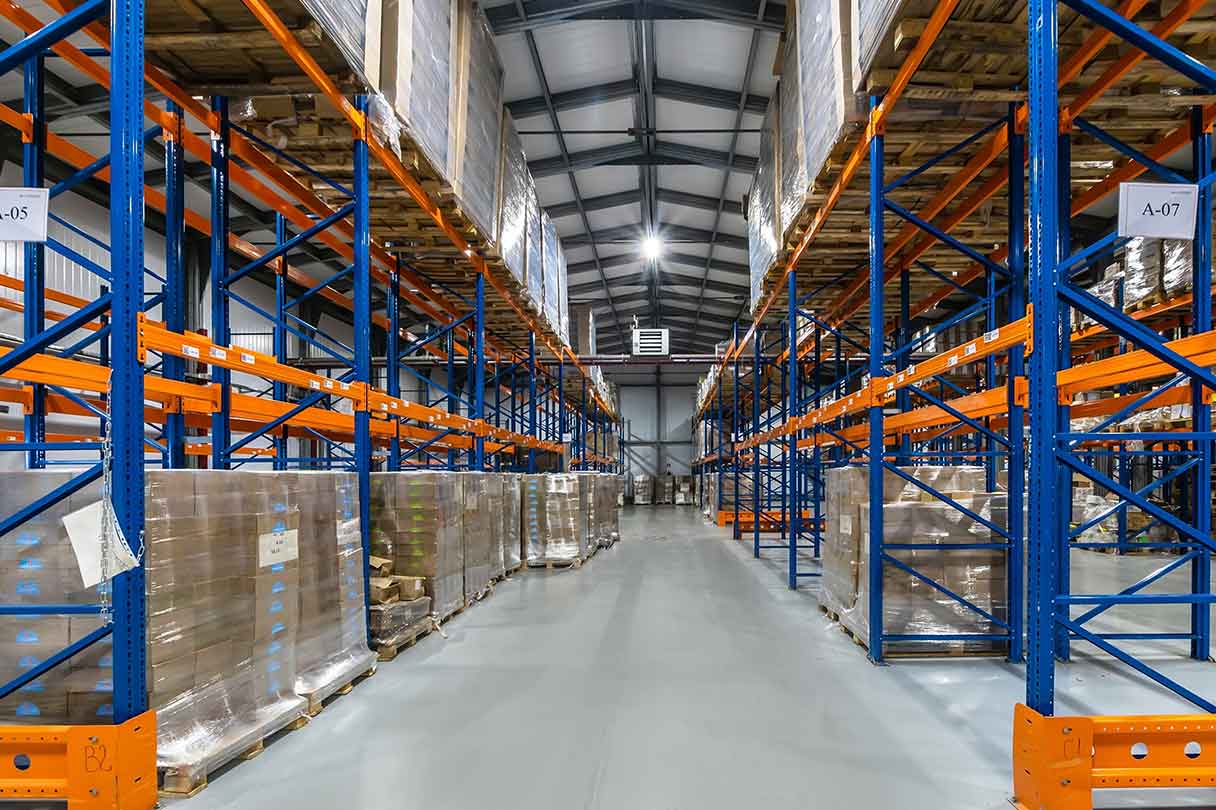
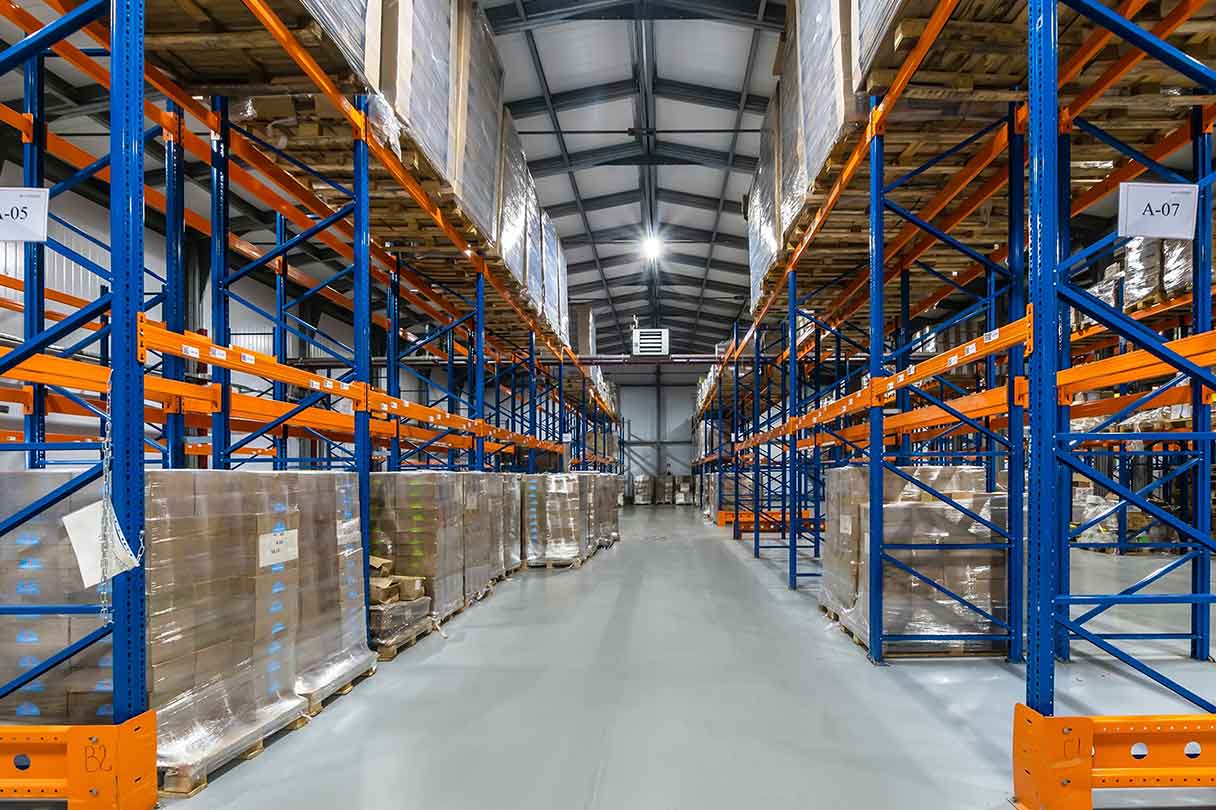
In B2B e-commerce, the focus isn’t on acquiring new customers, but on repeat orders from existing customers. The key lies in customer-specific pricing and tiered discounts, lists of regular customers and repeat orders, quotes and payment terms on account, technical product data including data sheets and accessory recommendations, as well as integration with customers’ procurement systems. The online channel reduces the workload on the back office—that is the benefit by which it is measured.


Health, Pharmacy & Drugstore
Product approval, mandatory advice, and advertising restrictions set the framework within which optimization is even permitted: What may be displayed, recommended, and shipped has been pre-approved from a legal standpoint. Topics include fixed pricing for prescription items, product information with mandatory disclosures, pre-purchase advice journeys, tracking of lot numbers and expiration dates in inventory, and an assortment of both mandatory and over-the-counter items with widely varying profit margins.


Travel & Leisure
The product is a calendar: availability, pricing tiers, and cancellation policies are assortment decisions, not system settings. Topics include price and availability control over time, handling lead times and booking windows, additional services as a contribution to profit, cancellation and rebooking rules along with their cost implications, as well as booking flows that query variants and participant data without losing the transaction.
Fashion & Lifestyle
Here, returns determine the outcome: A significant portion of shipments are returned in whole or in part, and every return incurs costs for shipping, inspection, rework, and often a loss in value. Efforts are therefore focused on addressing the root causes—size and fit information, product images and descriptions, assortment selection per channel, and handling of mixed-size orders—as well as on a report that consolidates sales and return costs by product group. Added to this are seasonal planning, clearance management, and the question of which parts of the assortment actually drive the online channel.
Consumer Goods & Brand Manufacturers
Direct sales to end customers generate margins and provide access to customers, but they impact existing retail partners. The actual task is therefore rarely technical: pricing for retail partners and marketplaces, separating product assortments between retail and the direct channel, handling negotiations on terms and conditions, and building an in-house customer database. Added to this is the operational side of a business that has never served end customers directly: small shipment sizes, service requests, returns, and a payment process with a structure very different from that of the retail business.
Store Retail & Omnichannel
The bottleneck is cross-channel inventory. Items offered online must be locatable, reservable, and available for purchase in-store—otherwise, customers will cancel their orders, which is more costly than a lost order. Key issues include inventory accuracy and reservation logic, in-store pickup and returns, shipping from the store, the allocation of sales and profit between channels and store areas, as well as pricing and promotional strategies that work simultaneously in both the physical store and the online shop.
B2B Wholesale & Manufacturers
In B2B e-commerce, the focus isn’t on acquiring new customers, but on repeat orders from existing customers. The key lies in customer-specific pricing and tiered discounts, lists of regular customers and repeat orders, quotes and payment terms on account, technical product data including data sheets and accessory recommendations, as well as integration with customers’ procurement systems. The online channel reduces the workload on the back office—that is the benefit by which it is measured.
Health, Pharmacy & Drugstore
Product approval, mandatory advice, and advertising restrictions set the framework within which optimization is even permitted: What may be displayed, recommended, and shipped has been pre-approved from a legal standpoint. Topics include fixed pricing for prescription items, product information with mandatory disclosures, pre-purchase advice journeys, tracking of lot numbers and expiration dates in inventory, and an assortment of both mandatory and over-the-counter items with widely varying profit margins.
Travel & Leisure
The product is a calendar: availability, pricing tiers, and cancellation policies are assortment decisions, not system settings. Topics include price and availability control over time, handling lead times and booking windows, additional services as a contribution to profit, cancellation and rebooking rules along with their cost implications, as well as booking flows that query variants and participant data without losing the transaction.
Role Profiles in Demand in E-Commerce






The Sequence an E-Commerce Initiative Follows
The scope and duration of the steps depend on assortment size, channel count and data situation; the sequence does not: first calculate, then name the bottleneck, then work on it, then secure the next stage. We skip no step and shorten one only when sound preparatory work exists — a measure without a calculation behind it is an attempt, not an initiative.

1. Bring the Numbers Together per Order

2. Name the Bottleneck
3. Adjust Assortment and Price

4. Adjust Demand and the Buying Journey

5. Take Operations to the Next Level

6. Measure the Effect and Hand Ownership Back
-
/Interim%20CMO%20(Chief%20Marketing%20Officer)__banner_image.webp?width=400&height=250&name=Interim%20CMO%20(Chief%20Marketing%20Officer)__banner_image.webp)
Interim CMO (Chief Marketing Officer)
€1,400 – €1,900 per day
-

€1,200 – €1,800 per day
-

€1,100 – €1,600 per day
-

Freelance Head of Customer Service
€900 – €1,500 per day
-

Freelance Customer Experience Strategist
€900 – €1,500 per day
-

€900 – €1,400 per day
-

Freelance Customer Experience Manager
€800 – €1,400 per day
-

Freelance Contact Center Manager
€800 – €1,300 per day
-

€640 – €1,280 per day
-

Freelance Product Manager, Strategy
€850 – €1,250 per day
-

Freelance Performance Marketing Manager
€800 – €1,200 per day
-

€800 – €1,200 per day
-

Freelance Product Marketing Manager
€800 – €1,150 per day
-

Freelance Voice of the Customer Specialist
€700 – €1,150 per day
-

Freelance Digital Product Manager
€750 – €1,100 per day
-

€720 – €1,100 per day
-

Freelance Customer Data Analyst
€700 – €1,100 per day
-

€650 – €1,100 per day
-

Freelance Market Research Consultant
€600 – €1,100 per day
-

Freelance Marketing Automation Specialist
€750 – €1,050 per day
-

Freelance Demand Generation Manager
€750 – €1,050 per day
-

€700 – €1,050 per day
-

Freelance Customer Service Team Leader
€650 – €1,050 per day
-

€700 – €1,000 per day
-

Freelance Digital Marketing Manager
€700 – €1,000 per day
-

Interim Online Marketing Manager
€480 – €960 per day
-

€480 – €960 per day
-
/Freelance%20Copywriter%20(B2B)__banner_image.webp?width=400&height=250&name=Freelance%20Copywriter%20(B2B)__banner_image.webp)
€480 – €960 per day
-

€480 – €960 per day
-

€650 – €950 per day
-

€600 – €950 per day
-

Freelance Customer Success Manager
€550 – €950 per day
-

Freelance Online Marketing Consultant
€500 – €900 per day
-

Freelance Influencer Marketing Manager
€400 – €875 per day
-

€550 – €850 per day
-

€500 – €800 per day
-

€400 – €800 per day
Every range comes from the corresponding role page and is published there openly — no enquiry needed.
Excellent. We are not the only ones who think so.
consultingheads has received several awards from leading trade magazines and independent third parties.



.png?width=260&height=392&name=consultingheads-kununu-top-company-2023%20(1).png)